
When systems fail, can the emergency plan still be used?
Emergency preparedness is bigger than natural disasters. It includes power failures and personal disruptions — like the sudden loss of an informal carer or a regular support person. Those situations need a plan that travels with the person, not one written about them and filed away.
Practice makes the plan usable when it matters.
A plan stored in an office filing cabinet may not be available during an emergency.
Power loss may affect assistive technology.
Evacuation centres may not meet mobility, hygiene, sensory or equipment requirements.
A personal emergency can arise when a carer, partner or regular support is suddenly unavailable.
Individual circumstances matter more than a blanket organisational plan.
How Lifebox P-CEP works
Guided sessions with the participant and, with consent, their support network — so the plan reflects real routines, real equipment and real relationships.
Guided discovery
Lifebox facilitates guided sessions with the participant and, with consent, relevant members of their support network.
Build the participant-controlled plan
Together we capture the information that matters when things go wrong:
- Daily routines
- Communication needs
- Current supports
- Mobility and assistive technology
- Assistance animals
- Medication considerations
- Evacuation and shelter requirements
- Important contacts and documents
Connect the plan and support network
The participant controls who receives access. The plan can be shared with an appropriate provider or support person without being recreated from scratch each time relationships change.
Practise, review and update
Review prompts and a defined update process keep contacts, supports, equipment and circumstances current. Practice makes the plan usable when it matters.
For providers, coordinators, OTs and aged-care professionals
Lifebox is designed to support emergency and disaster management processes — centralising participant-authorised information and reducing duplicated administration.
Providers and support coordinators
Lifebox can help you:
- Centralise participant-specific emergency information
- Reduce duplicated administrative work
- Maintain evidence of consultation, practice and review
- Keep relevant plans accessible
- Support emergency and disaster management processes
- Make participant-authorised information easier to locate during an audit or incident
Occupational therapists
Lifebox can help translate functional assessments into emergency scenarios involving:
- Loss of power
- Loss of equipment
- Inaccessible shelter
- Reduced mobility
- Interrupted supports
- Communication and sensory needs
Aged-care professionals
Emergency preparedness includes personal disruptions, not just natural disasters:
- An informal carer being hospitalised
- A partner becoming temporarily unavailable
- A home-support service being interrupted
- Medication or equipment access being disrupted
For participants and families
True preparedness isn't a document written for you by an agency. It's a plan built with you — and a routine practised before an emergency, not during one.
You stay central throughout: your choices, your routines, your equipment, your relationships. You control who sees the plan.
Participants and families
A participant-controlled emergency plan is:
- Built with the person, not merely written about them
- Based on their choices, routines, equipment and relationships
- Controlled and shared with their consent
- Designed to remain accessible when circumstances change
- Intended to be practised before an emergency
What the pilot includes
The pilot is a complete, guided preparedness package. Inclusions are confirmed with you during onboarding.
Guided P-CEP facilitation
Participant and support-network collaboration
Creation of a participant-controlled emergency plan
Secure document and contact storage
Mobile and web access
Consent-based sharing
Scheduled reviews
Practice and action tracking
An evidence pack for relevant providers
Lifebox application access
Pilot support and feedback sessions
Help shape a practical approach to person-centred emergency preparedness
The pilot is intended for a controlled initial cohort. Participating organisations and individuals provide structured feedback, and suitability is discussed after application.
Funding may be available depending on the participant's plan, disability-related needs and current funding criteria. Pricing and funding options are discussed as part of your application.
Want to see the app first? Book a demonstration
Frequently asked questions
What is P-CEP?
Person-Centred Emergency Preparedness (P-CEP) is a recognised framework for planning emergencies around an individual person — their routines, supports, equipment and choices — rather than around an organisation. The framework, tools and training material are maintained by Collaborating 4 Inclusion. The Lifebox P-CEP Pilot combines guided P-CEP facilitation with a participant-controlled emergency plan and the Lifebox app.
Who is the pilot for?
NDIS providers and support coordinators, occupational therapists, participants and their families, and aged-care case managers. The pilot is intended for a controlled initial cohort, and participating organisations and individuals provide structured feedback.
Who controls the emergency plan?
The participant. The plan is built with the person, and they decide who can access it. Sharing happens with their consent.
Can the plan be shared with providers and family?
Yes — with the participant's consent. The plan can be shared with an appropriate provider or support person without being recreated from scratch each time relationships change.
What happens if supports change?
The service includes review prompts and a defined process for updating changed contacts, supports, equipment and circumstances, so the plan stays current instead of becoming another out-of-date document.
Does Lifebox replace a provider's own policies?
No. Lifebox is designed to support emergency and disaster management processes. It complements a provider's own policies and procedures — it does not replace them, and it does not by itself guarantee compliance.
Can NDIS funding be used?
Funding may be available depending on the participant's plan, disability-related needs and current funding criteria. A recommendation does not guarantee funding. We provide a funding and evidence guide for discussion with the participant, plan manager or support coordinator.
Is Lifebox endorsed by the NDIA or NDIS Commission?
No. Lifebox is not endorsed by, or affiliated with, the NDIA or the NDIS Quality and Safeguards Commission.
How is participant information protected?
Access to a plan is controlled by the participant and shared with consent. We're happy to talk through how information is stored and protected as part of a pilot conversation.
What application features are available during the pilot?
Pilot participants use the Lifebox mobile and web application for their emergency plan, documents and contacts. The team confirms current features during onboarding, and pilot feedback shapes what is built next.
What happens after applying?
The Lifebox team will contact you to discuss suitability, timing and what participation involves. Eligibility or suitability is discussed after application — applying doesn't commit you to anything.
Does the pilot also apply to aged-care participants?
The pilot's initial focus is the NDIS context, and aged-care case managers are welcome to apply. Personal disruptions — a carer being hospitalised, a partner becoming temporarily unavailable, a home-support service being interrupted — are exactly the situations P-CEP planning covers.
The team behind Lifebox
About Lifebox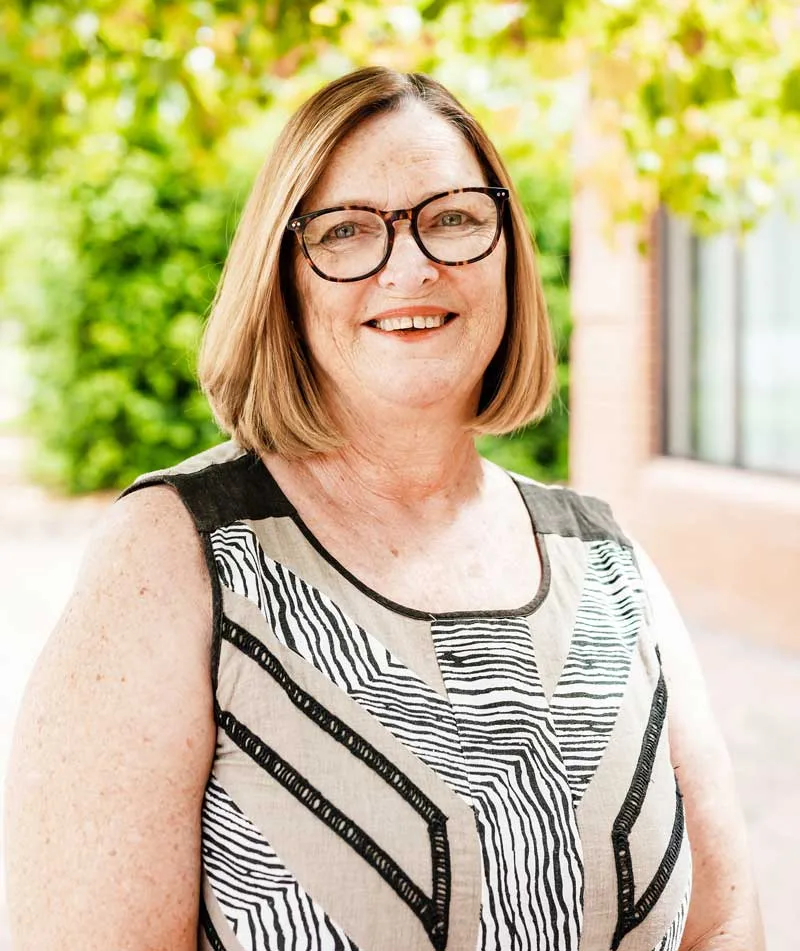
Leanne Jarchow
Founding Director
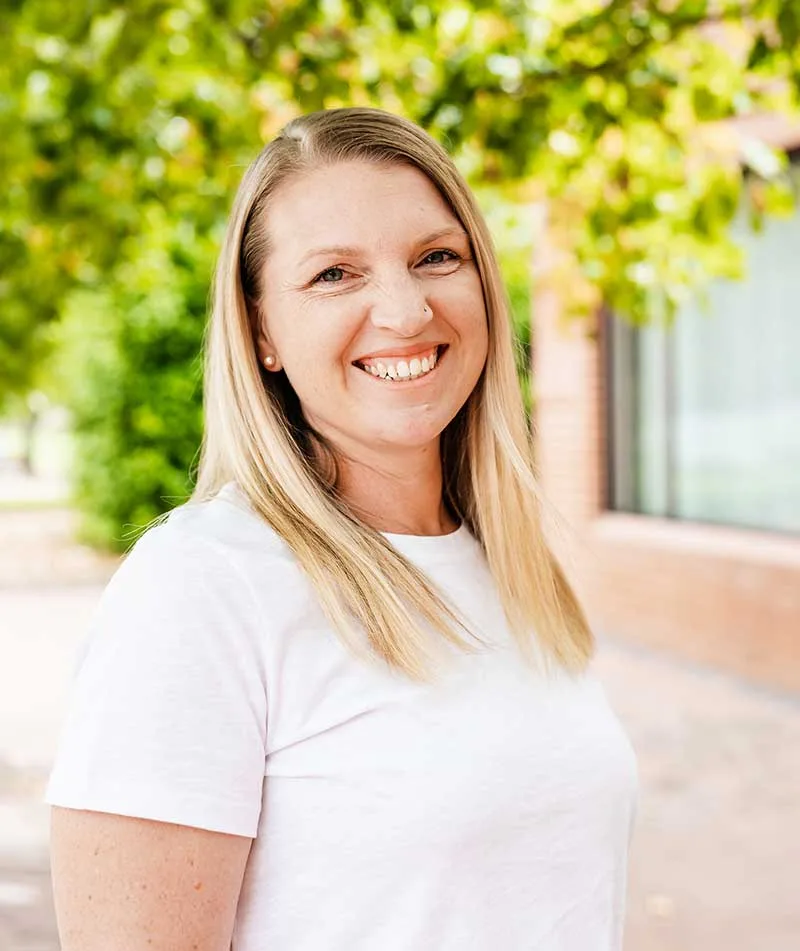
Abbey Mitchell
CEO

Stuart Bond
CTO
Apply for the P-CEP Pilot
Suitability is discussed after application — applying doesn't commit you to anything.